

Why Backflow Prevention Is Critical for Protecting Your Home’s Water Supply
- Nov 22, 2025
- 4 min read
Clean water is one of the most important resources in any home. You rely on it for drinking, cooking, bathing, and maintaining good health. But what many homeowners never realize is that water contamination can happen inside their own plumbing system—often without visible warning. This is where backflow prevention becomes essential.
Backflow occurs when water flows in the opposite direction, drawing contaminated water back into the clean supply. Without the right protections in place, households risk exposure to chemicals, fertilizers, bacteria, wastewater, and harmful contaminants that compromise health and safety.
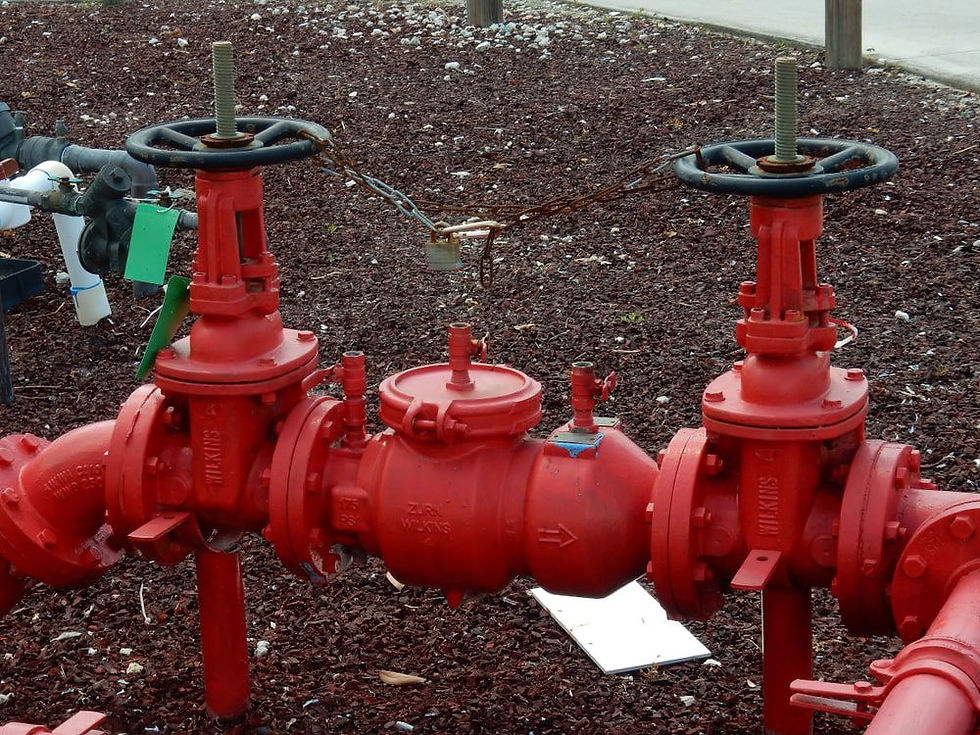
This blog explains what backflow is, how it happens, why it is dangerous, and why homeowners trust licensed plumbing professionals to install and test backflow prevention devices. For more information about protection systems, visit our Backflow Prevention Services page.
What Is Backflow?
Backflow is the unwanted reversal of water flow within your plumbing system. Instead of moving from the public water supply into your home, water flows backward, drawing contaminated water into the clean supply lines.
There are two primary causes:
1. Back-Pressure
Occurs when pressure in your home’s plumbing becomes greater than the pressure in the municipal system.Examples include:
Increased boiler pressure
High pressure from pumps
Thermal expansion
Elevated tanks
Back-pressure pushes water in the wrong direction.
2. Back-Siphonage
Occurs when the main water supply loses pressure and creates suction.This can happen when:
Fire hydrants are opened
Municipal lines break
Large water demands drop pressure
Public supply experiences sudden changes
When suction occurs, contaminated water can be pulled into your drinking water pipes.
Why Backflow Is Dangerous
Backflow contamination is a serious threat because it allows pollutants from various sources to enter your clean drinking water. These contaminants may include:
Fertilizers
Pesticides
Chemicals
Industrial waste
Bacteria or viruses
Human waste
Floodwater
Sediment and debris
Even a small amount of contamination poses significant health risks. Because backflow often occurs silently, without noticeable change in color or smell, it can expose families to harmful substances without warning.
How Backflow Affects Your Home and Health
1. Exposure to Harmful Contaminants
Contaminated water may contain:
E. coli
Chemicals
Heavy metals
Organic pollutants
These can cause health problems ranging from stomach illness to long-term health risks.
2. Damage to Plumbing Fixtures
Contaminated water can corrode fixtures, damage appliances, and shorten the lifespan of pipes.
3. Risk of Large-Scale Water Contamination
If backflow occurs in one home, contaminated water can reach the public supply. Cities require prevention devices to stop this from happening.
Why Professional Backflow Prevention Is Essential
Backflow prevention is not optional—it is required by law in many areas to protect the public water system. Professional plumbers ensure the installation and testing meet plumbing codes and local regulations.
1. Required by Law for Many Homes and Businesses
Florida plumbing codes mandate backflow devices for:
Irrigation systems
Commercial properties
Large residential properties
Homes with fire sprinklers
Properties with pools or spas
Homes with water treatment equipment
Multi-unit residential buildings
A licensed plumber ensures these devices are installed correctly and meet compliance.
2. Annual Backflow Testing is Mandatory
Municipalities require yearly testing to confirm that the system is functioning properly. A professional plumber provides:
Certified backflow testing
Repairs if needed
Documentation required for compliance
Replacement when devices fail or age
Neglecting required tests can lead to penalties or water service interruption.
3. Proper Installation Prevents Device Failure
Incorrect installation is a major cause of device malfunction. A professional ensures:
Correct device selection
Proper alignment
Safe pressure levels
Accurate placement
Secure fittings and seals
This prevents leaks, failures, or accidental contamination.
Common Backflow Prevention Devices
Different systems require different types of devices. Common backflow preventers include:
1. Pressure Vacuum Breaker (PVB)
Used for irrigation systems and outdoor applications.
2. Double Check Valve Assembly (DCVA)
Suitable for residential and commercial properties where contamination risk is moderate.
3. Reduced Pressure Zone Assembly (RPZ)
Used for high-risk contamination environments such as commercial kitchens, medical facilities, and industrial applications.
4. Atmospheric Vacuum Breaker (AVB)
Used for point-of-use protection, such as hose bibs.
A professional determines which device your home requires based on plumbing configuration and risk level. Learn more on the Backflow Prevention Services page.
Irrigation Systems: A Major Source of Backflow Contamination
Lawn irrigation is one of the most common contributors to backflow contamination. Fertilizers, lawn chemicals, and debris can enter the irrigation line. Without a proper backflow device, these contaminants flow back into your home’s water.
A professional plumber ensures:
Correct device installation
Proper anti-siphon valve setup
Compliance with local codes
Protection from contaminated soil and chemicals
This prevents chemical exposure and protects the water supply.
Benefits of Professional Backflow Prevention and Testing
1. Protects Your Family’s Health
The most important benefit is ensuring your drinking water remains clean and safe.
2. Keeps Your Home Compliant with Local Codes
Avoid fines, service interruptions, or compliance violations.
3. Prevents Costly Plumbing Repairs
Contamination can corrode pipes and reduce system lifespan.
4. Ensures Water Pressure Stability
Backflow devices help maintain safe and consistent pressure.
5. Provides Long-Term Peace of Mind
Knowing your home’s water supply is safe offers confidence and comfort.
Signs Your Backflow Device Needs Service
Regular testing is essential, but problems may appear between inspections. Warning signs include:
Water discoloration
Bad taste or odor
Unexpected drop in water pressure
Leaking around the device
Visible corrosion
Water flowing out of relief valves
If you notice any of these issues, schedule service immediately.
Professional Backflow Services With Shamrock Plumbing
Shamrock Plumbing provides:
Certified backflow installation
Annual testing and certification
Repairs and maintenance
Full system inspections
Backflow preventer replacement
Commercial and residential services
Learn more or schedule a service on our Backflow Prevention Services page.
Backflow prevention is a critical component of home safety and public health. It protects your water supply from dangerous contaminants, keeps plumbing systems functioning properly, and ensures compliance with local regulations. With professional installation and annual testing, homeowners can ensure clean, safe water for their families.
To schedule backflow installation or testing, visit the Backflow Prevention page on Shamrock Plumbing’s website.


