

How to Prevent Plumbing Emergencies With Routine Home Inspections
- Jan 11
- 2 min read
Plumbing emergencies often strike without warning, but in many cases, the warning signs were present long before the problem became severe. Small leaks, corrosion, pressure issues, and worn components can quietly worsen over time. Routine plumbing inspections help homeowners identify and resolve these issues early, preventing costly and disruptive emergencies.
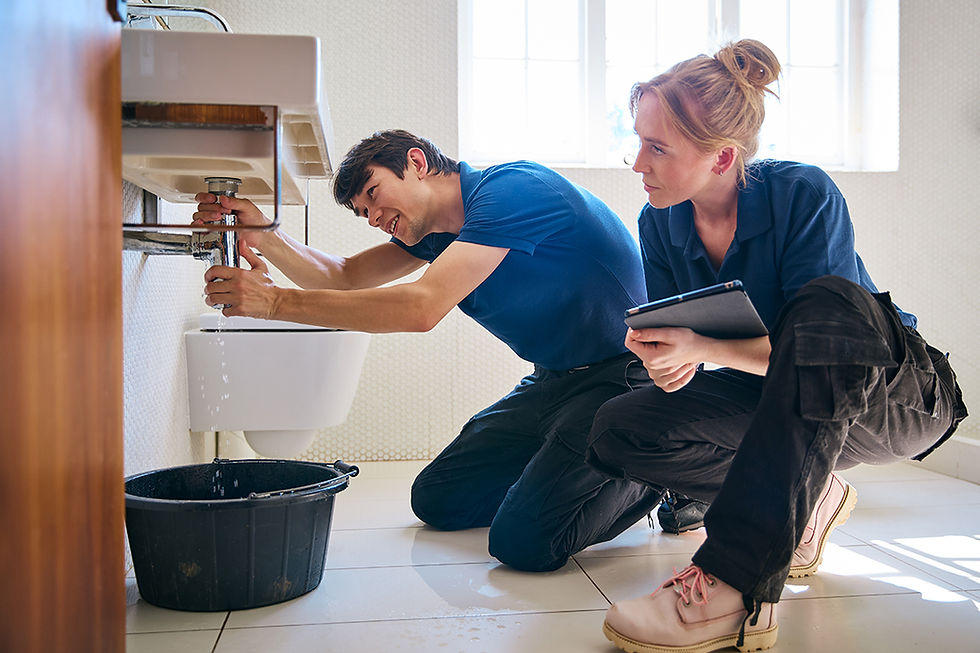
Understanding what to inspect and when to involve a professional plumber can significantly reduce the risk of unexpected plumbing failures.
1. Why Routine Plumbing Inspections Matter
Plumbing systems operate daily and experience constant wear.
Benefits of Regular Inspections
Early detection of leaks
Reduced risk of pipe bursts
Improved water efficiency
Lower repair costs
Extended plumbing system lifespan
Preventive inspections help catch issues before they escalate.
2. Key Areas Homeowners Should Inspect
Certain plumbing components are more prone to problems.
Inspection Checklist
Exposed pipes under sinks and in basements
Water heater connections and tank condition
Toilets for running or leaks
Faucets and fixtures for drips
Hose bibs and outdoor plumbing
Regular visual checks provide valuable insight into system health.
3. Detecting Early Signs of Plumbing Trouble
Small warning signs often indicate larger issues.
Common Red Flags
Unexplained increases in water bills
Damp spots on walls or ceilings
Reduced water pressure
Unusual noises from pipes
Persistent drain odors
Addressing these signs early prevents emergency situations.
4. How Inspections Help Prevent Water Damage
Water damage can be extensive and expensive.
Inspection Benefits
Identifies hidden leaks
Prevents mold and mildew growth
Protects walls, floors, and foundations
Preserves personal property
Early intervention minimizes damage and repair costs.
5. Seasonal Plumbing Inspections
Different seasons present different risks.
Seasonal Focus Areas
Winter: freeze protection and pipe insulation
Spring: sump pump operation and drainage
Summer: outdoor plumbing and irrigation systems
Fall: water heater performance and sewer lines
Seasonal inspections help homeowners stay ahead of weather-related issues.
6. DIY Inspections vs. Professional Plumbing Inspections
While homeowners can perform basic checks, professionals offer deeper insight.
Professional Inspection Advantages
Advanced leak detection equipment
Sewer camera inspections
Pressure and flow testing
Comprehensive system evaluation
Professional inspections uncover issues not visible to the untrained eye.
7. Creating a Plumbing Maintenance Schedule
Consistency is key to prevention.
Recommended Schedule
Monthly visual checks
Annual professional plumbing inspection
Routine drain cleaning as needed
Water heater maintenance once per year
A structured schedule keeps plumbing systems reliable.
8. When to Call Shamrock Plumbing
Professional plumbing service is recommended if:
Inspection reveals leaks or corrosion
Water pressure issues persist
Plumbing systems are aging
Emergency repairs are needed
Shamrock Plumbing provides thorough plumbing inspections, preventive maintenance, and expert repairs to help homeowners avoid emergencies.
Protect Your Home With Proactive Plumbing Inspections
Routine plumbing inspections are one of the most effective ways to prevent emergencies, reduce repair costs, and maintain a reliable plumbing system. Proactive care ensures peace of mind and long-term home protection.
Shamrock Plumbing is committed to helping homeowners prevent plumbing emergencies through expert inspections, preventive maintenance, and trusted professional service.


