

How to Choose the Right Water Heater for Your Home
- Nov 29, 2025
- 4 min read
Choosing the right water heater is one of the most important decisions a homeowner can make. A well-selected water heater impacts your comfort, utility bills, and long-term home performance. Whether you are upgrading an outdated system, replacing a faulty unit, or installing a completely new one, understanding the types of water heaters available and the criteria for selection will ensure you make the best choice.
This comprehensive guide breaks down everything you need to know so you can confidently pick the ideal water heater for your lifestyle and home.
1. Understand the Main Types of Water Heaters
Before selecting a water heater, you must know the major systems available. Each type has advantages and ideal use cases.
a. Storage Tank Water Heaters
These are the most common household water heaters. They store heated water in a tank and distribute it when needed.
Advantages:
Lower upfront cost
Easy to install and maintain
Reliable for households with steady demand
Drawbacks:
Limited hot water supply
Higher energy usage due to standby heat loss
Storage tank heaters are ideal for families with moderate water usage and a typical plumbing setup.
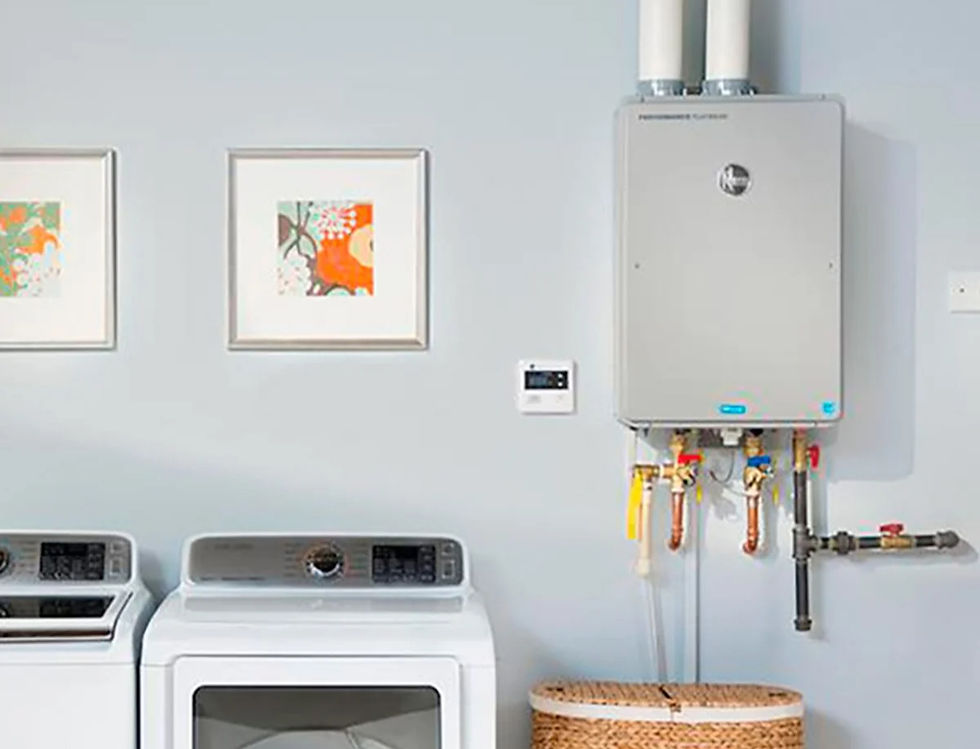
b. Tankless (On-Demand) Water Heaters
These systems heat water only when needed, eliminating the need for a storage tank.
Advantages:
Endless hot water supply
Energy-efficient
Long lifespan
Drawbacks:
Higher upfront cost
May require upgraded gas lines or electrical systems
Tankless heaters work well for households looking for efficiency and continuous hot water.
c. Heat Pump (Hybrid) Water Heaters
Hybrid heaters use electricity and heat pump technology to move heat rather than generate it.
Advantages:
Extremely energy-efficient
Lower long-term operating costs
Eco-friendly
Drawbacks:
Higher purchase price
Requires more space and specific temperature conditions
A hybrid heater is ideal for homeowners prioritizing energy savings.
d. Solar Water Heaters
Solar systems use roof-mounted panels to heat your water.
Advantages:
Very low operating cost
Uses renewable energy
Long-term environmental benefits
Drawbacks:
High installation cost
Dependent on climate
Requires backup system in cloudy conditions
Solar heaters benefit homes in sunny regions with homeowners willing to invest upfront for future savings.
e. Condensing Water Heaters
These heaters reuse exhaust gases to heat the water more efficiently.
Advantages:
Highly energy-efficient
Suitable for high hot water demands
Drawbacks:
More expensive
Requires proper ventilation
Ideal for large homes using natural gas.
2. Factor in the Fuel Type
Your energy source greatly impacts cost and performance.
a. Electricity
Easy to install
Widely available
Often more expensive to operate
b. Natural Gas or Propane
Faster heating
Lower monthly bills
Requires ventilation and proper gas lines
c. Solar Energy
Lowest operational cost
Best for sunny climates
d. Heat Pump Technology
Most efficient for electricity-based systems
Choosing the right fuel type ensures long-term cost savings and optimal system performance.
3. Determine the Right Size and Capacity
Choosing the wrong size can lead to endless frustration or wasted money.
For Tank Water Heaters:
Consider the household size:
1–2 people: 30–40 gallons
2–3 people: 40–50 gallons
3–4 people: 50–60 gallons
5+ people: 60–80 gallons
For Tankless Heaters:
Focus on flow rate (gallons per minute).You need to calculate simultaneous water usage:
Shower: 2.5 GPM
Sink: 1.0–1.5 GPM
Washing machine: 2–3 GPM
Add up total expected usage to choose your system’s required GPM.
4. Consider Energy Efficiency
A good water heater should help reduce energy waste and lower utility bills.
Look for:
Energy Star certification
Higher energy factor (EF) or Uniform Energy Factor (UEF)
Advanced insulation
Efficient heating elements or condensing technology
Higher efficiency models come with a bigger price tag but offer long-term savings.
5. Evaluate Installation Requirements
Not all water heaters fit every home. You must consider:
a. Space Availability
Tank heaters need floor space; tankless units mount on walls.
b. Ventilation
Gas heaters require proper venting to avoid carbon monoxide issues.
c. Electrical Capacity
Tankless electric models often need panel upgrades.
d. Plumbing Configuration
Older piping systems may require modifications.
Consulting a professional plumber ensures compliance with safety standards and avoids installation issues.
6. Compare Upfront Costs vs Long-Term Savings
A cheaper upfront system may cost more over time. Consider:
Initial purchase cost
Installation expenses
Energy consumption over time
Maintenance requirements
Expected lifespan
For example, tankless heaters cost more upfront but last longer and reduce monthly bills significantly.
7. Think About Maintenance Requirements
Every system needs periodic upkeep, but some require more attention.
Tank heaters:
Annual flushing
Anode rod inspection
Leak checks
Tankless heaters:
Descaling every 1–2 years
Air intake cleaning
Error code monitoring
Solar heaters:
Panel cleaning
Pumps and antifreeze checks
Low-maintenance systems are ideal for homeowners who want simplicity.
8. Work With a Professional Plumber
While the market is full of DIY guides, selecting and installing a water heater requires expert knowledge.
A professional plumber will:
Assess water usage
Recommend the right type
Ensure proper installation
Guarantee safety
Help you avoid expensive mistakes
Choosing expert help ensures your system operates efficiently from day one.
Choosing the right water heater requires balancing cost, performance, efficiency, and household needs. By understanding the various types available, considering your home’s structural and energy requirements, and working with a skilled plumbing professional, you can make a smart, long-lasting investment that provides comfort and cost savings.


